What buyers in this category are usually sourcing

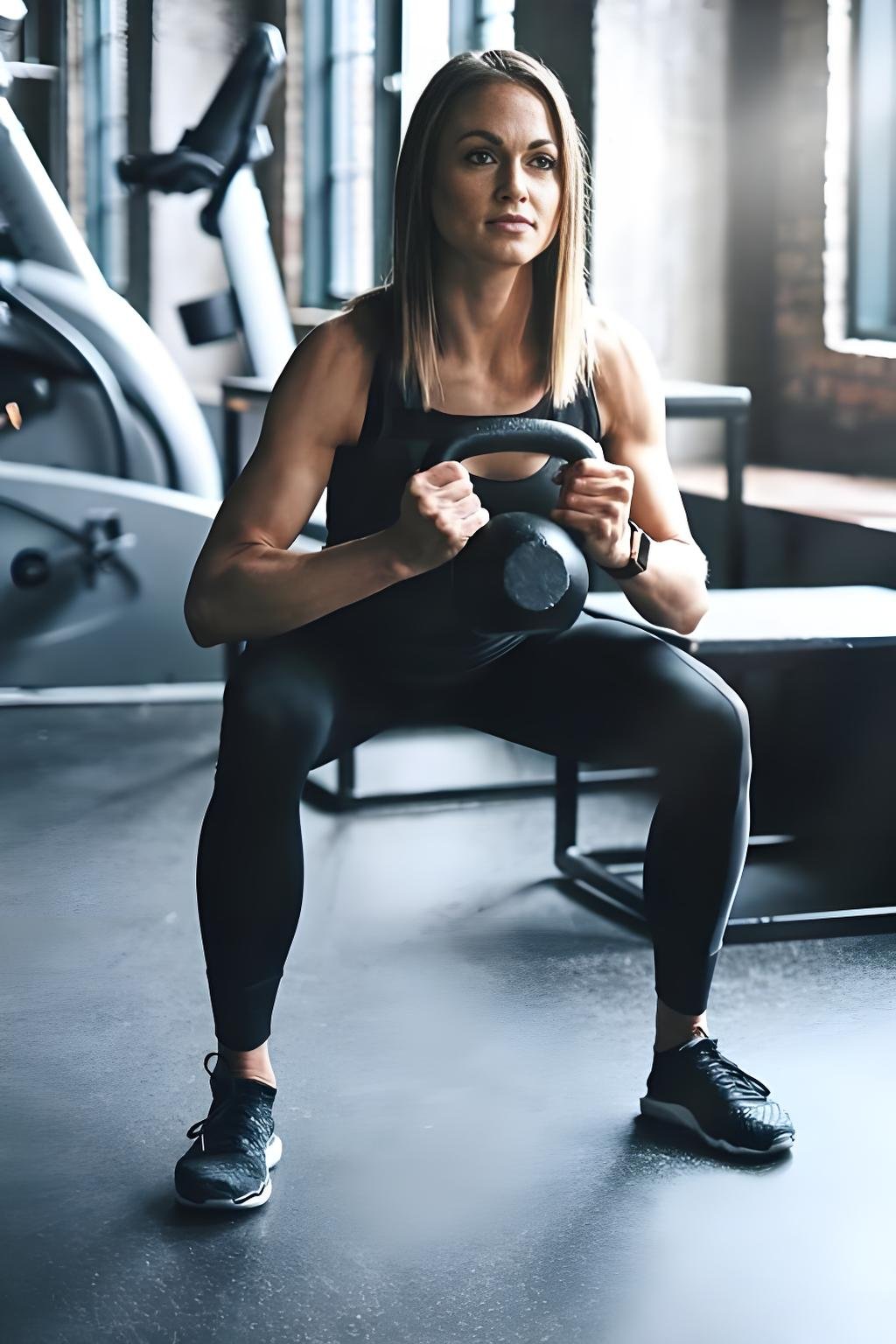
Fitness accessories for home, studio, and program-based sales
Resistance bands, yoga tools, small recovery items, mats, straps, grip aids, and lightweight training accessories that buyers often combine into one commercial assortment instead of treating as isolated items.

Outdoor utility products with travel or seasonal demand
Bottles, camp accessories, compact storage, trail-use support items, light outdoor gear, and packable products that usually need both practicality and presentation to work for retail or e-commerce.
Mixed packs for clubs, promotions, onboarding, and gift programs
Buyers often need coordinated combinations: one core item plus supportive accessories, logo application, printed sleeves, barcodes, insert cards, and outer packing that all need to stay aligned.
These projects often span several practical use cases at once: training, travel, hydration, storage, seasonal outdoor use, gifting, and retail-ready bundles.
Buyers are often not “just buying products.”
They are trying to assemble a product story that fits a gym launch, a sports retail plan, an outdoor promotion, a private-label range, or a replenishment cycle without creating packing and shipment confusion later.
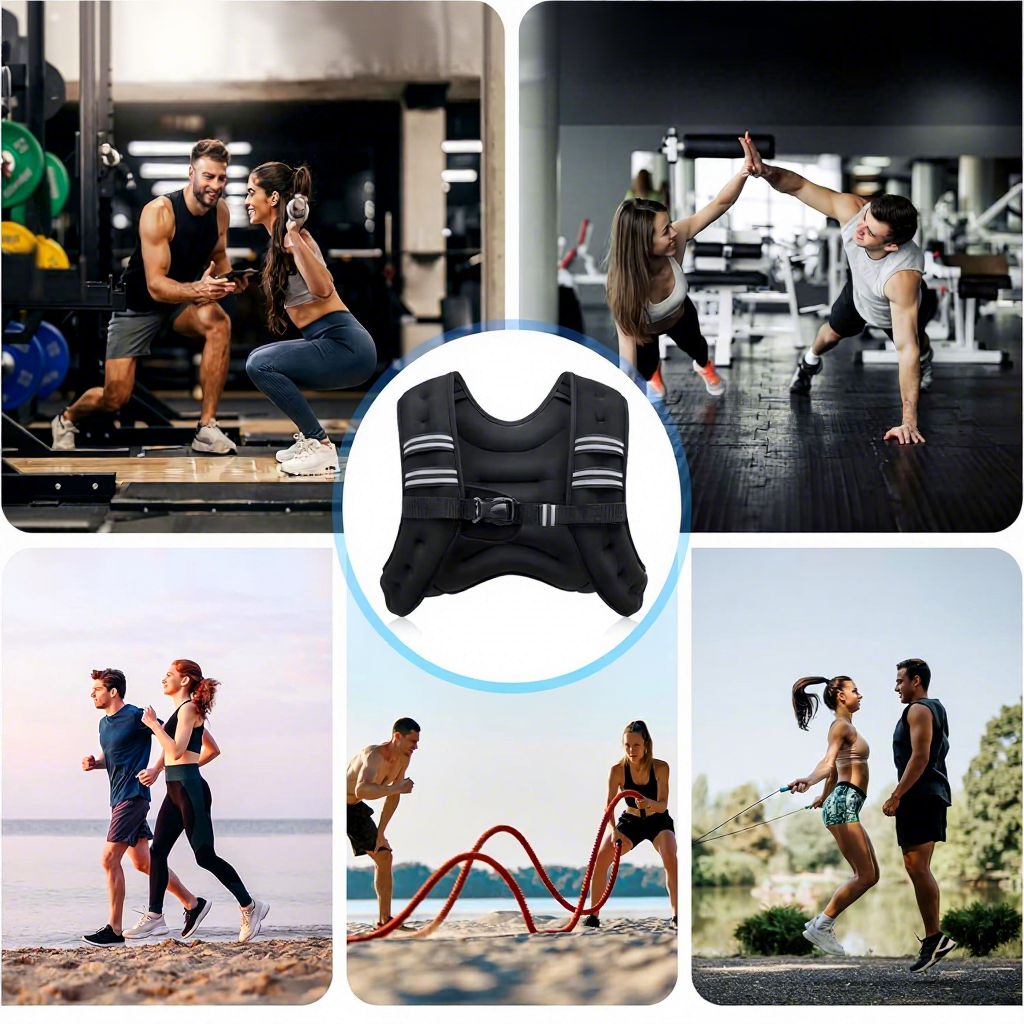
What buyers usually need to lock down before an order becomes easier to manage
In fitness and outdoor projects, delays often come from details that were left “good enough” too early. That usually shows up later in sample mismatch, packaging rework, or mixed-SKU confusion.
Material feel and usage expectation
Grip, stretch, firmness, weight, foldability, water resistance, handle feel, and surface finish should match the intended use, not just the photo.
Color, trim, and logo direction
For branded or range-based projects, color consistency and logo placement can affect whether the assortment feels unified enough to launch.
Packaging format and barcode logic
Polybag or retail box, insert cards, sticker placement, carton labels, and product grouping all need to support downstream handling.
Set composition and carton breakdown
When several SKUs are packed together, buyers usually need clarity on how pieces are grouped, counted, and released into the shipment.
Where fitness and outdoor sourcing projects usually go off track

The sample looked acceptable, but the bulk feel is no longer convincing
Material stiffness, band resistance, texture, zipper or trim quality, and finish can drift in ways that are hard to recover once the order is packed.
One part of the project is ready, while the rest is still unresolved
A mat may be approved, but the carry strap is late. The bottle is ready, but retail sleeves are not. The bundle idea exists, but the carton logic still does not.
The products may be usable, but the project still fails at handoff
Wrong barcode labels, mismatched insert cards, incorrect set counts, or unclear carton grouping can still break retail readiness and fulfillment flow.
Typical buyer workflow on a fitness or outdoor sourcing project
Projects usually move better when the logic of the order is made clear before bulk, not after packing has already started.
Share the target assortment or use case
Send product links, photos, range ideas, target market, expected quantity, and whether this is a launch assortment, event pack, seasonal push, or replenishment order.
Clarify what the final project needs to look like
That usually includes material direction, logo method, packaging format, set composition, barcode needs, and whether the order has to fit retail, 3PL, FBA, or warehouse handling.
Confirm samples and hold the project together across SKUs
As pieces move at different speeds, buyers usually need someone keeping the visual, practical, and packing logic aligned so the final order does not drift.
Check packing readiness before shipment handoff
Before the goods leave, the useful questions are often about counts, labels, grouping, outer marks, and whether the project still supports the intended sales channel.