
When the product is only half the project, packaging and labeling become the real approval stage.
Buyers usually come to this stage after product sourcing looks manageable but the brand-facing outcome still feels exposed. The pressure is no longer only about the item itself. It shifts to box structure, print accuracy, inserts, barcode placement, set assembly, carton logic, and whether the final result is actually retail-ready or shipment-ready.
This is for buyers who do not want the order to look acceptable in bulk but fail in presentation, compliance, or fulfillment.
If your project includes custom boxes, sleeves, labels, polybags, instruction cards, mixed sets, influencer kits, promotional bundles, or private-label presentation, the details usually need earlier coordination than most buyers expect.
Why buyers usually start this kind of project
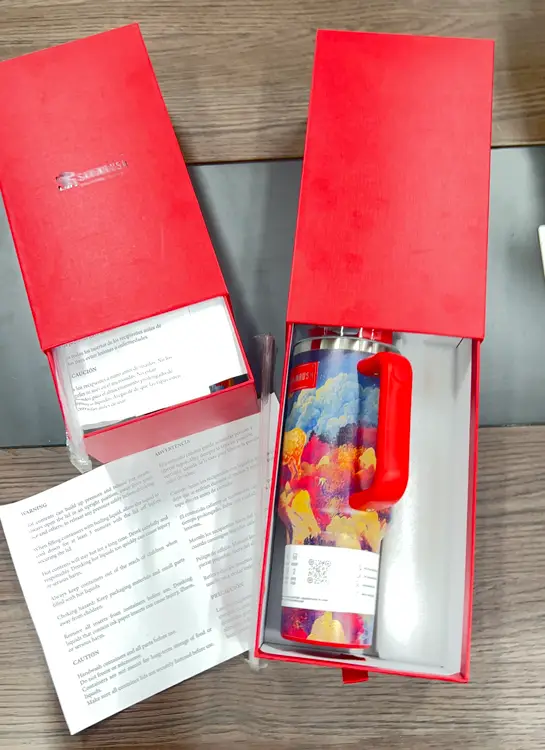
Most private-label packaging projects are really coordination projects.
The buyer may already know the product, but still needs several moving parts to align under one final outcome: branded box, color direction, logo treatment, instruction card, barcode label, unit pack method, carton mark, and how the whole order is handed over to the next shipping stage.
Buyers launch these projects when the brand experience starts to matter.
That may be for DTC launch packs, retail presentation, influencer kits, promotional bundles, salon sets, subscription boxes, seasonal gift packs, or any product that needs more than a plain ship-out solution.
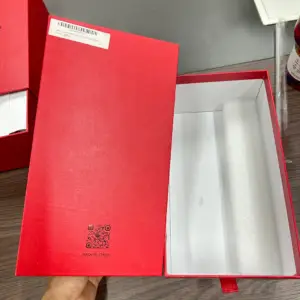
They also start early when they know corrections later are expensive.
Packaging revisions near shipment can delay launches, break carton logic, disrupt barcode workflows, and create rework that is harder to fix once multiple suppliers or components are already involved.
What buyers are usually trying to build, not just order
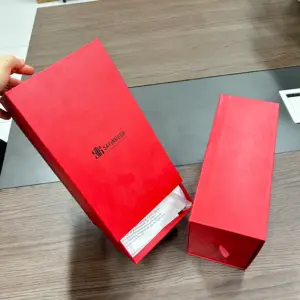
Private-label sellable units
Products that need branded sleeves, cartons, logo labels, instruction inserts, and a finish that feels consistent with the intended market position.
Multi-part gift or promo sets
Combinations where multiple items, inserts, and outer pack presentation need to look deliberate rather than loosely packed together.
Retail-ready master packs
Projects where barcode location, unit count, carton marks, and shipping logic must already fit downstream fulfillment or channel expectations.
Brand-consistent replenishment runs
Orders where the second or third run needs to stay visually aligned with previous packs so customers do not feel a shift in quality or control.
What usually needs to be approved before bulk should feel safe
Structural format and pack-out method
Box size, insert fit, unit arrangement, bundle method, void fill, seal approach, and how the product is actually presented when opened.
If the structure is wrong, the order can still arrive intact but feel cheap, inconsistent, or unsuitable for shelf, gifting, or online unboxing.
Print, logo treatment, and color direction
Artwork scale, logo spacing, finish choice, color tone, text sharpness, and the visual relationship between the product and the pack.
This is often where the buyer decides whether the final result still feels on-brand, especially when the product itself is simple but the packaging carries the perceived value.
Labels, barcodes, and information layers
Barcode orientation, compliance labels, instruction cards, insert language, sticker logic, and position consistency across units and cartons.
Even when the goods look fine, fulfillment or retail problems can start here if data placement, scan logic, or information sequence is wrong.
Carton grouping and shipment-facing handoff
SKU mix per carton, count logic, master carton labels, outer presentation, and how the order is separated or consolidated before the shipping step.
This matters because packaging projects are not finished at the unit box level. They also need to survive storage, identification, and shipment transition without confusion.
Where private-label packaging projects usually start slipping
Small packaging errors create outsized downstream damage.
Especially when launch timing, gifting windows, marketplace deadlines, or retail commitments are already attached to the order.
Approved artwork, but bulk print feels different
Colors shift, text loses sharpness, foil or coating behaves differently, or the final pack no longer matches the intended visual standard.
The items are right, but the set assembly is wrong
Incorrect bundle composition, wrong insert order, missing accessories, or inconsistent unit counts create customer-facing problems even when every part exists.
The unit pack looks acceptable, but the shipment logic breaks
Barcodes, carton marks, SKU splits, or case-pack arrangement do not support the next step, causing confusion in warehousing, retail receiving, or delivery handoff.
What buyers are really trying to avoid
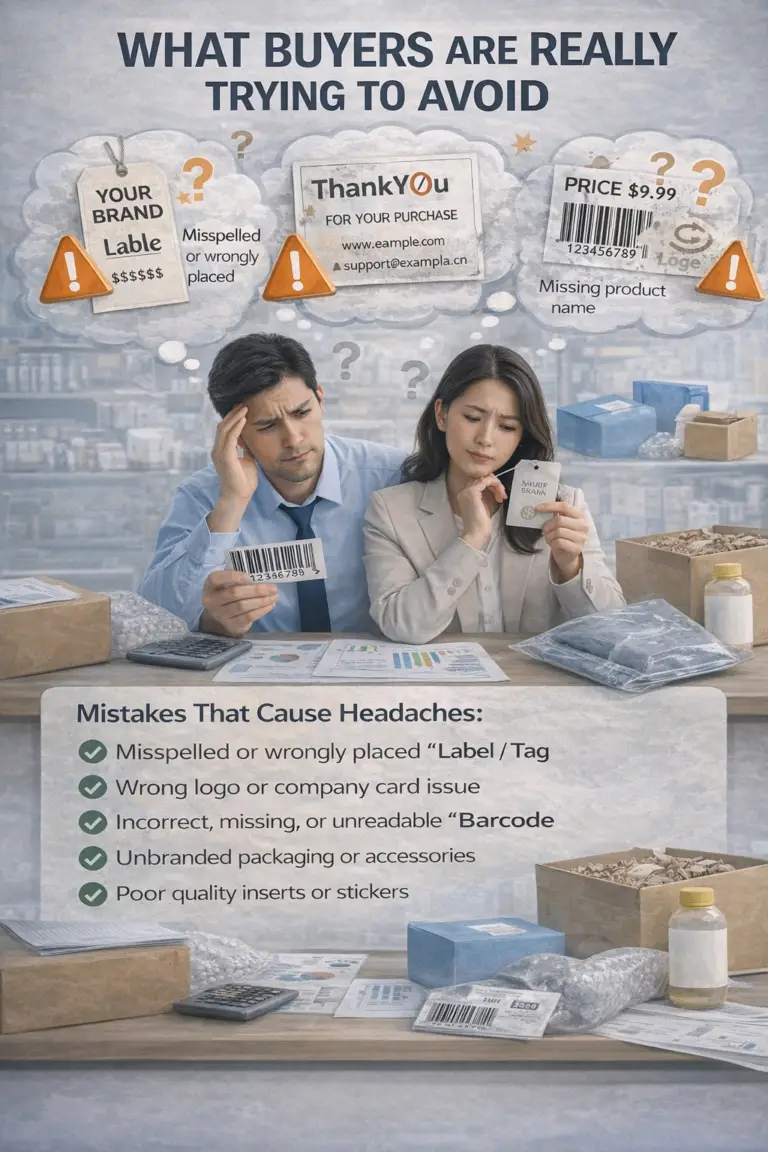
A shipment that is technically complete but still unusable, confusing to receive, inconsistent in brand presentation, or expensive to correct after packing is done.
How this kind of project usually moves forward
Typical packaging & private-label workflow
Buyers usually move faster when the project is treated as one coordinated path instead of separate product, print, and packing conversations.
Define the intended finished look
Share target market, sales channel, references, packaging expectations, and whether this is retail, gifting, promo, subscription, or replenishment.
Align structure, print direction, and information layers
Before bulk, buyers usually need clearer decisions on box format, inserts, barcodes, logo placement, and the practical pack-out method.
Review set assembly and shipment-facing logic
Mixed projects need confirmation not only of what goes inside, but how the finished units and cartons will be grouped, labeled, and handed off.
Move into final packing with fewer assumptions
Once the visual, informational, and carton-level details are aligned, the order is easier to release without the same degree of last-minute uncertainty.
Why buyers usually send the inquiry earlier than expected
Because most of the risk in this category comes from decisions that feel small until they affect everything at once.
Start the packaging conversation before the project becomes fragile.
If you already have product references, draft pack concepts, target quantities, or concerns about labels, inserts, barcode placement, mixed sets, or shipment readiness, send them first. That is enough to begin.
- Share what the final customer-facing pack is supposed to look like
- Mention whether this is private label, gift set, promo bundle, or retail-ready packaging
- Flag any concerns about barcode, inserts, carton logic, or handoff requirements early