Prevent Quality Problems Before Your Shipment Leaves China
Professional QC support for import buyers — from supplier checks to evidence packs and corrective actions.
A structured quality control process before your shipment is released.
Quality problems are easier and cheaper to solve before shipment. Our workflow creates checkpoints from production preparation to final approval, helping buyers identify issues earlier.
Requirement Review
Confirm product specifications, materials, packaging requirements, and quality expectations before production starts.
Pre-Production Check
Review samples, production details, and potential risks before suppliers begin bulk manufacturing.
In-Process QC
Identify problems during production instead of waiting until the final inspection stage.
Pre-Shipment Inspection
Check quantity, appearance, function, packaging, labels, and shipment readiness before release.
Corrective Action
Document issues, confirm solutions, verify corrections, and decide whether shipment can proceed.
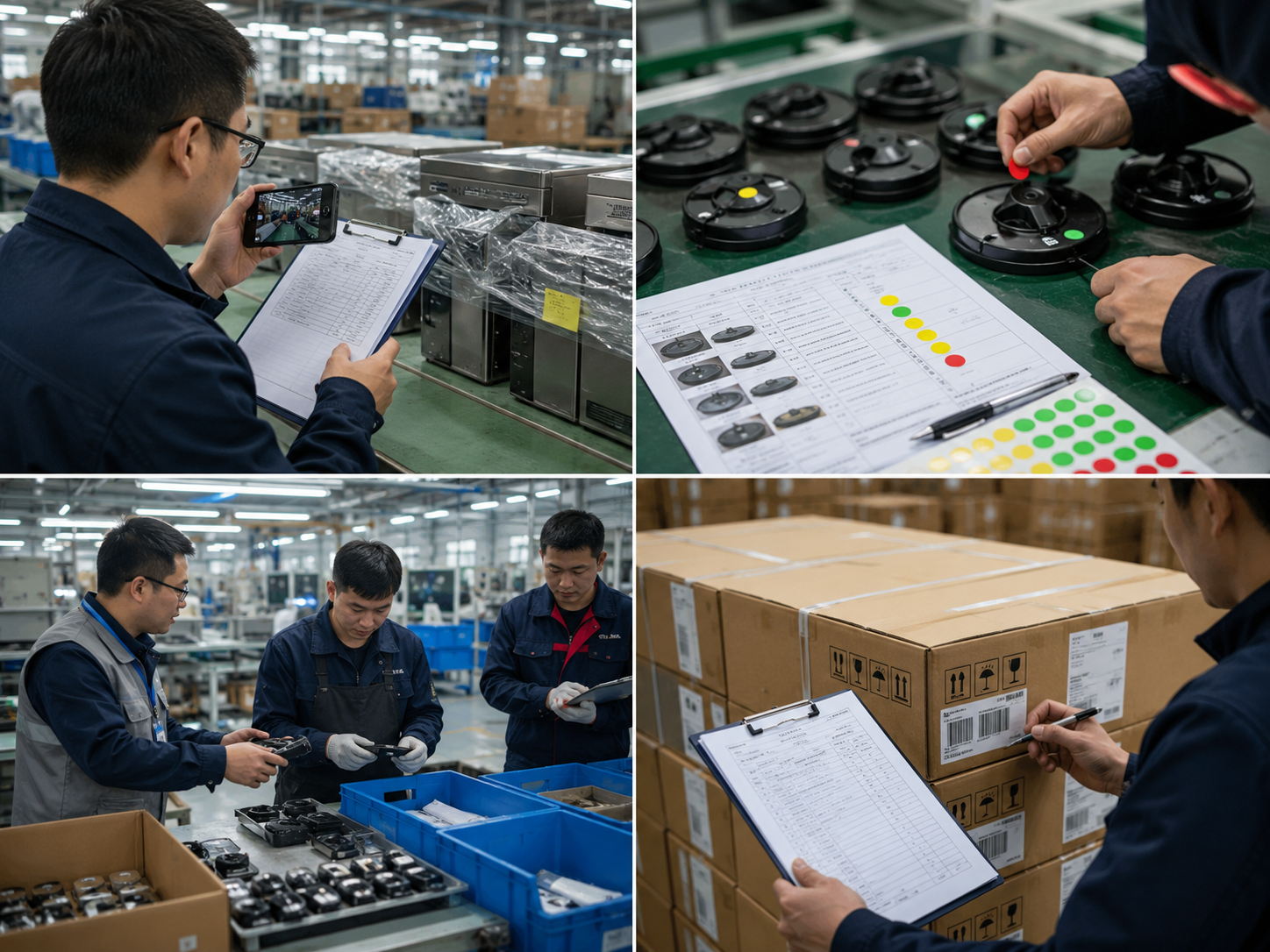
From inspection findings to clear decisions.
A QC report is not only about finding defects. The important part is understanding what happened, what action is required, and whether the shipment is safe to move forward.
- Defect photos and inspection records
- Critical / Major / Minor defect classification
- Rework or replacement recommendations
- Verification before shipment approval

We check the details that can create shipment problems.
Quality issues are not always caused by defective products. Many problems come from unclear specifications, packaging mistakes, missing labels, or inconsistent production details.
- Product specifications and materials
- Appearance and workmanship consistency
- Function testing and performance requirements
- Packaging structure and protection
- Labels, barcodes, and carton marks
- Quantity verification and SKU accuracy
- AQL sampling and defect classification
- Shipment readiness confirmation
Not every defect has the same impact. We classify risks before deciding the next action.
A clear defect classification system helps buyers avoid disputes and make practical decisions — whether the shipment should be released, corrected, or held.
Critical
Safety, compliance, or serious functional issues that can prevent the product from being sold or accepted.
Major
Problems affecting usability, customer experience, appearance, or product performance.
Minor
Small appearance issues that do not affect function but should be reviewed according to agreed standards.
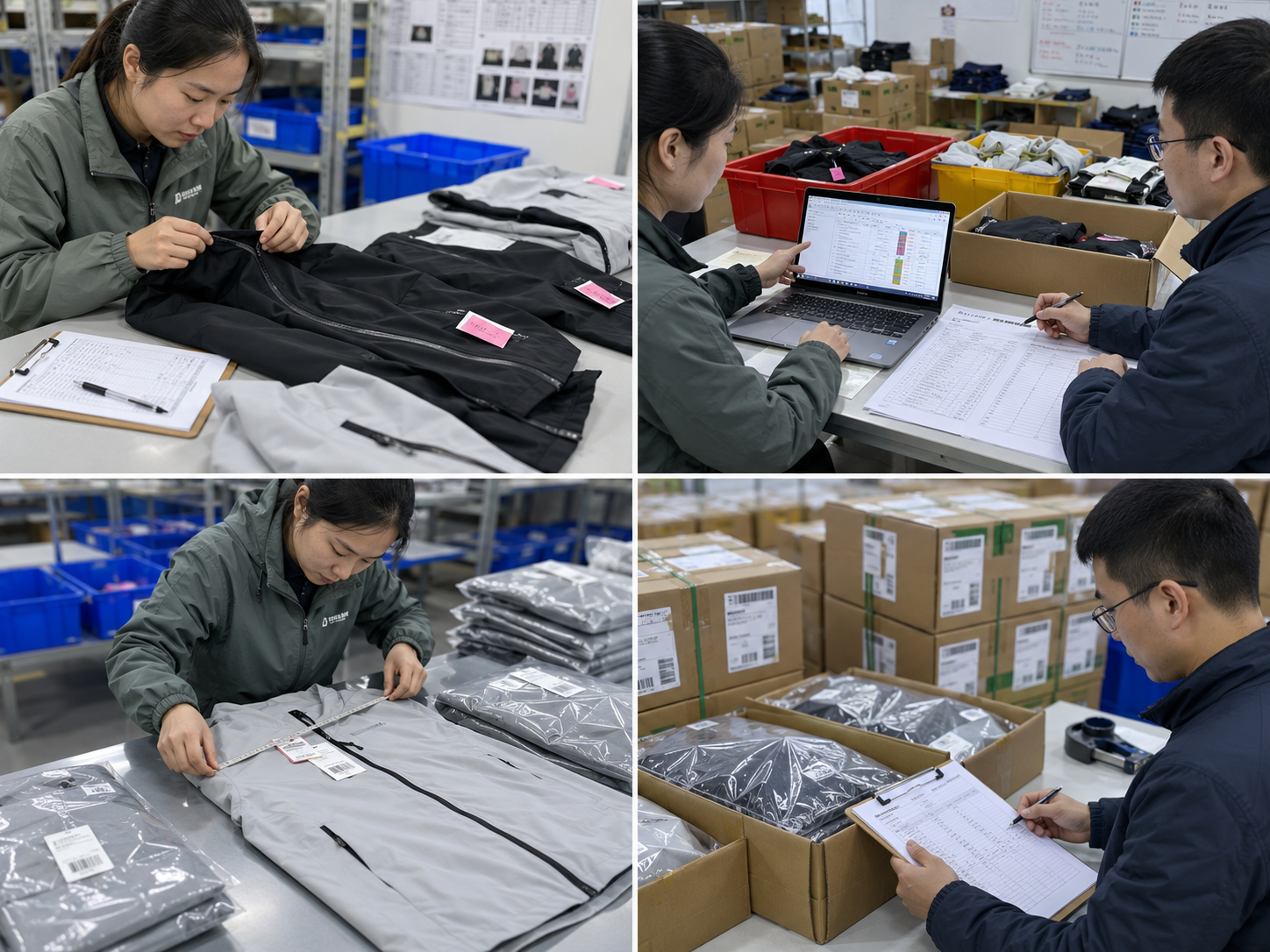
Corrective Action Loop (CAPA)
Finding defects is only the first step. The important part is making sure the issue is understood, corrected, and verified before shipment approval.
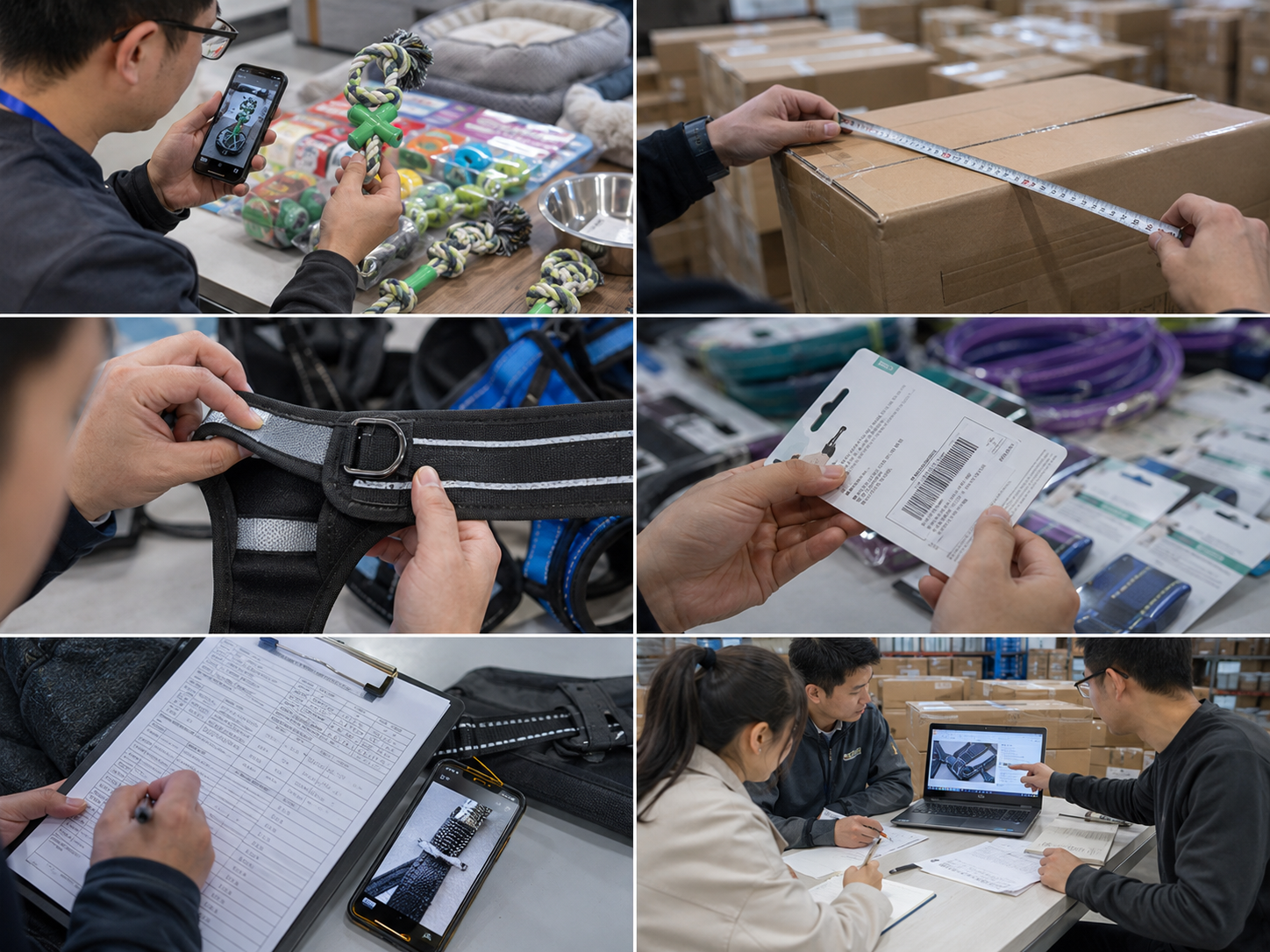
Approve Your Shipment With Real Evidence
When you cannot visit the factory yourself, clear evidence becomes the bridge between production and decision-making. We help buyers review actual product conditions before shipment approval.
- Product condition photos before shipment
- Packaging and carton verification
- Labels, barcodes, and marking confirmation
- Inspection notes and defect records
- Corrective action updates when problems are found
Choose the right QC checkpoint for your order.
Different orders require different inspection timing. The right checkpoint helps identify problems earlier and avoids unnecessary cost after production is completed.
Pre-Production Check
Recommended when working with a new supplier, new product, or customized order where details must be confirmed before manufacturing.
- Review approved samples and specifications
- Confirm materials and production requirements
- Identify possible risks before bulk production
In-Process QC (DUPRO)
Useful for large orders, tight deadlines, or products where defects become expensive to fix after completion.
- Check production consistency
- Detect problems before final completion
- Reduce large-scale rework risk
Pre-Shipment Inspection (PSI)
The final quality checkpoint before shipment approval, payment release, or warehouse delivery.
- Quantity and product appearance check
- Packaging and labeling verification
- AQL sampling and defect classification

QC decisions should match your order risk.
A first order with a new supplier requires different control points compared with a repeat order. We help buyers select practical inspection stages based on product type, order size, customization level, and shipment risk.