How to Check If a China Sourcing Agent Is Reliable Before You Pay
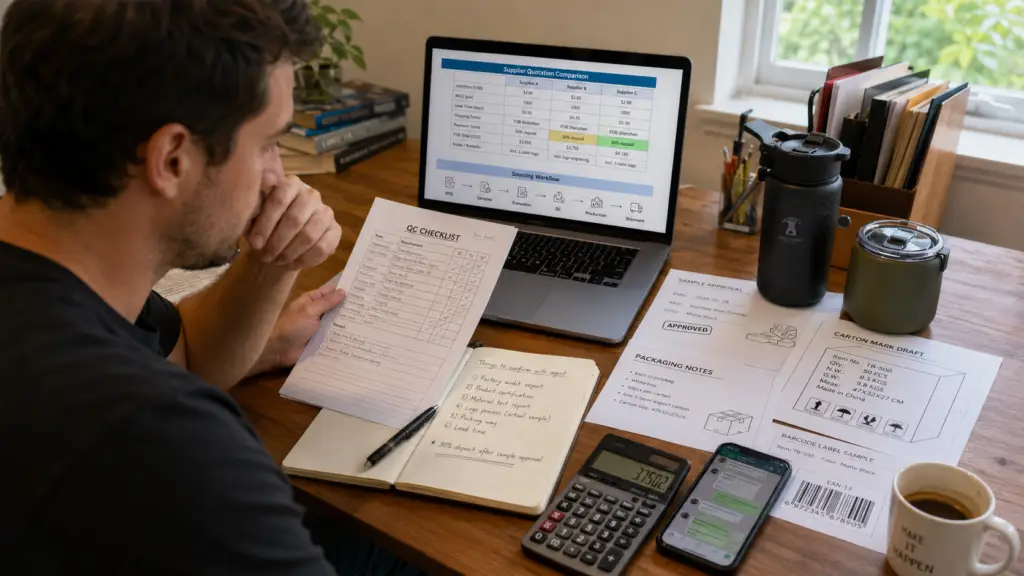
China Sourcing Agent Reliability Guide “` How to Check If a China Sourcing Agent Is Reliable Before You Pay A reliable China sourcing agent should be transparent about fees, supplier selection, quotation comparison, sample approval, quality control, packaging checks, photo evidence, warehouse handling, and shipment support. Before paying any service fee or deposit, import buyers […]
What Does a China Sourcing Agent Actually Do From Supplier Search to Shipment?
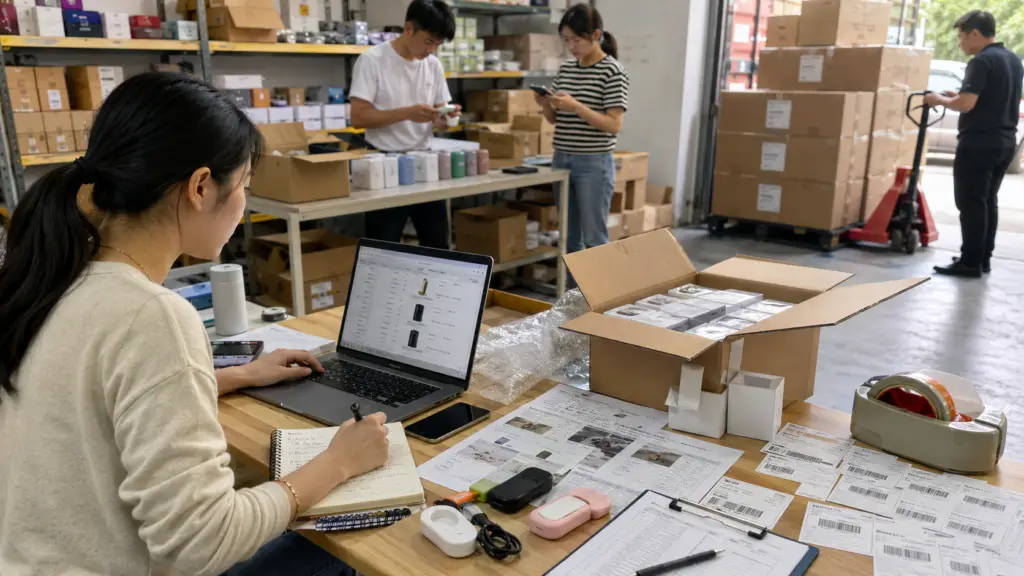
China Sourcing Agent Workflow “` What Does a China Sourcing Agent Actually Do From Supplier Search to Shipment? A China sourcing agent does much more than find supplier names. A useful agent helps overseas buyers clarify product requirements, compare suppliers, review quotations, follow samples, control production risks, check quality, confirm packaging, collect photo evidence, coordinate […]
How Much Does a China Sourcing Agent Cost? Fees, Commission, and What Buyers Should Check
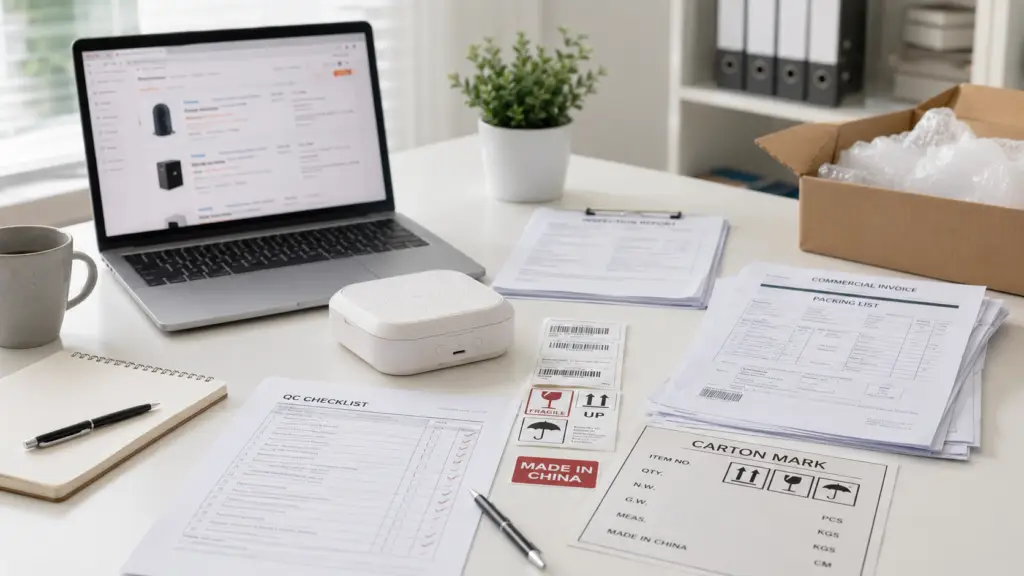
China Sourcing Agent Cost Guide “` How Much Does a China Sourcing Agent Cost? Fees, Commission, and What Buyers Should Check A China sourcing agent may charge a commission, flat project fee, hourly fee, service package, or hidden margin inside the supplier price. The real question is not only “How much does the agent charge?” […]
Alibaba vs China Sourcing Agent: Which Is Better for Import Buyers?
Alibaba vs China Sourcing Agent “` Alibaba vs China Sourcing Agent: Which Is Better for Import Buyers? Alibaba is useful for finding suppliers, comparing product options, and starting supplier conversations. A China sourcing agent is useful when buyers need local verification, quotation review, sample follow-up, quality control, warehouse handling, shipment evidence, and delivery coordination. The […]
Is Alibaba Safe for Buying from China? What Import Buyers Still Need to Check

Alibaba Sourcing Safety Guide “` Is Alibaba Safe for Buying from China? What Import Buyers Still Need to Check Alibaba can be a useful and legitimate starting point for finding Chinese suppliers, comparing product options, and starting supplier conversations. But safe buying from China does not depend on the platform alone. Import buyers still need […]
Why MOQ, Tooling, Packaging, Labeling, and QC Costs Should Be Compared Together
Supplier & Quote Why MOQ, Tooling, Packaging, Labeling, and QC Costs Should Be Compared Together Buyers should compare MOQ, tooling, packaging, labeling, and QC costs together because a supplier quote is not a single price decision. It is a project cost structure. If you compare only unit price or only MOQ, you can easily choose […]
The Real Stages of a China Sourcing Project, From Idea to Shipment

Start Here The Real Stages of a China Sourcing Project, From Idea to Shipment A real China sourcing project does not begin when production starts, and it does not end when a factory says the goods are finished. In practice, a sourcing project moves through several connected stages: project direction, supplier comparison, sampling, pre-production alignment, […]
Direct Factory or Sourcing Agent: Which Makes More Sense for Your Project?

Supplier & Quote Direct Factory or Sourcing Agent: Which Makes More Sense for Your Project? There is no one-size-fits-all answer. A direct factory can be the best option for simple, stable projects with clear specifications and buyers who already know how to manage follow-up. A sourcing agent often makes more sense when the project is […]
What First-Time Buyers Should Prepare Before Starting a China Sourcing Project

Start Here What First-Time Buyers Should Prepare Before Starting a China Sourcing Project First-time buyers should not begin a China sourcing project with only a product photo and a price question. The strongest starting point is a clear project brief: what you want to buy, who it is for, what market it will sell into, […]
In-Process QC vs Pre-Shipment Inspection

Buyer Guide · QC Decision · Production Risk Control In-Process QC vs Pre-Shipment Inspection In-Process QC and Pre-Shipment Inspection are not interchangeable. In-Process QC helps buyers catch production drift early enough to correct it while the order is still in progress. Pre-Shipment Inspection helps verify what is actually ready before goods leave, but by that […]